Challenge
We took on the challenge of creating a solution that would address the unique needs and challenges of remote work and answer the following question:
“How help people adopt new habits and behaviors in a ‘new normal’ scenario?”
The home office model became a reality for many people in 2020 when companies had to adapt due to the pandemic. We chose this theme because we connected with it in our own lives and know how challenging it can be to work remotely without proper preparation, both from a material and, especially, an emotional
point of view.
Exploring the theme
Starting from a broad theme, we aimed to gain a deeper understanding of the problem that needed to be solved. Since the product did not exist yet, we employed a series of research processes. The Double Diamond method was used throughout the project, guiding our research and problem-solving approach.
Scenario
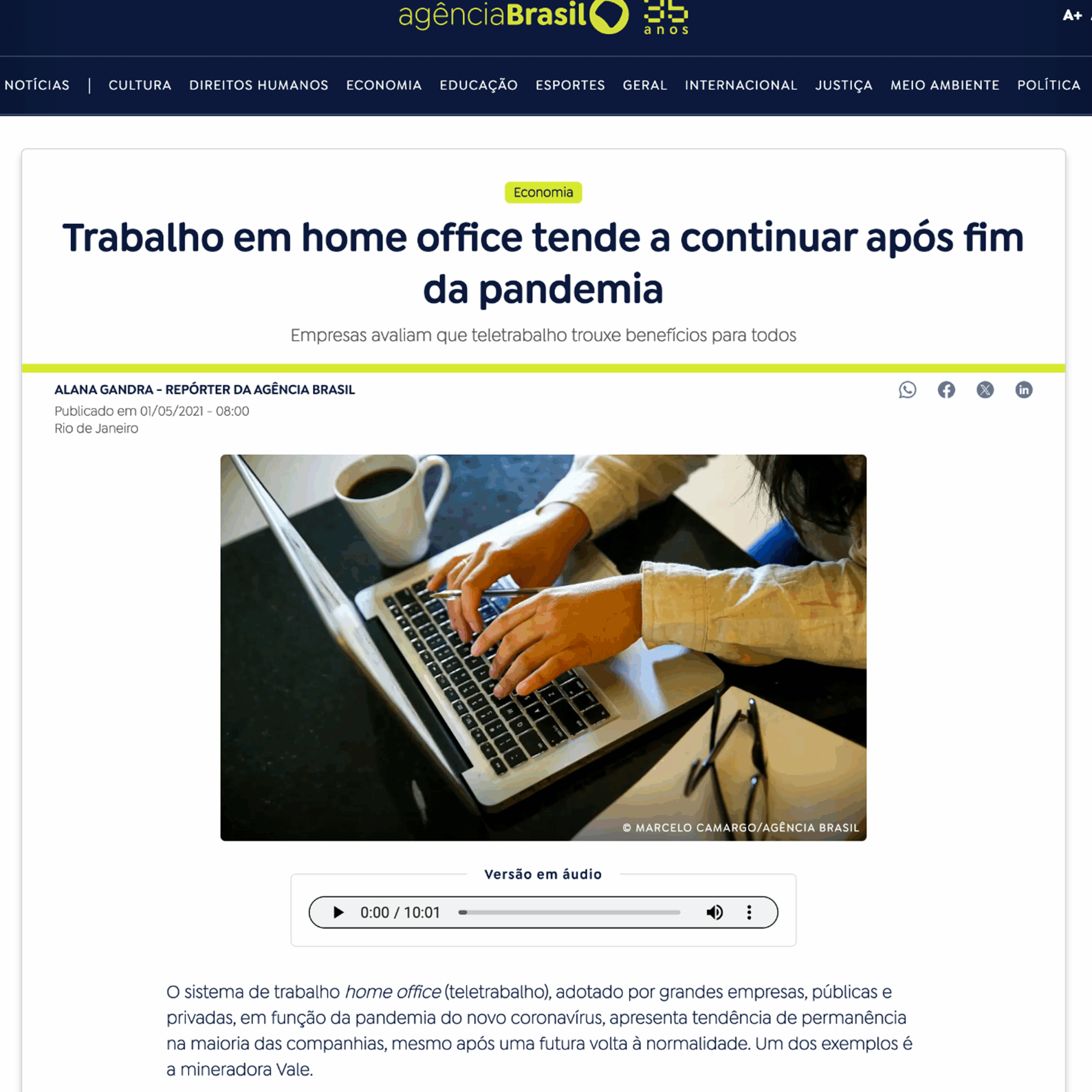
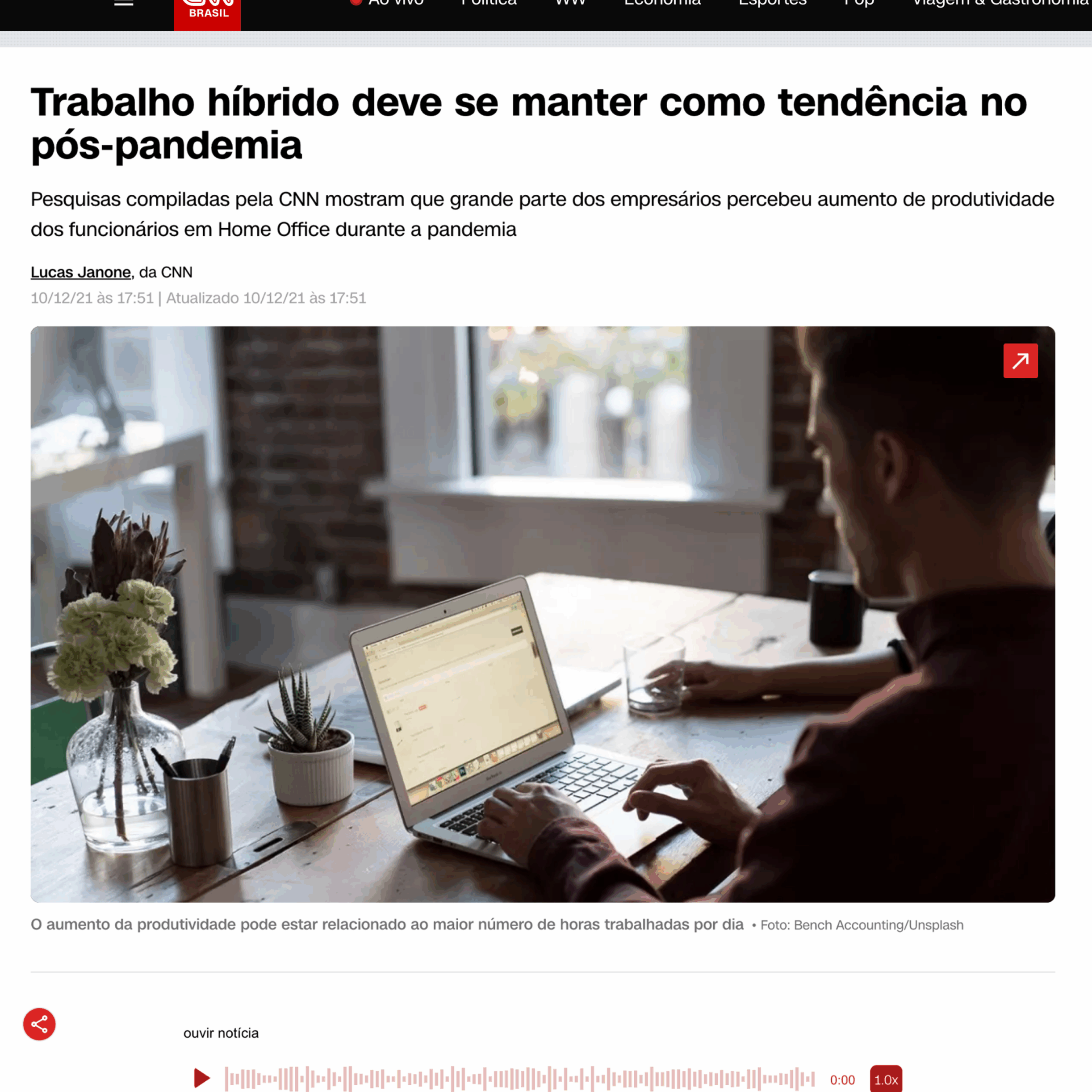
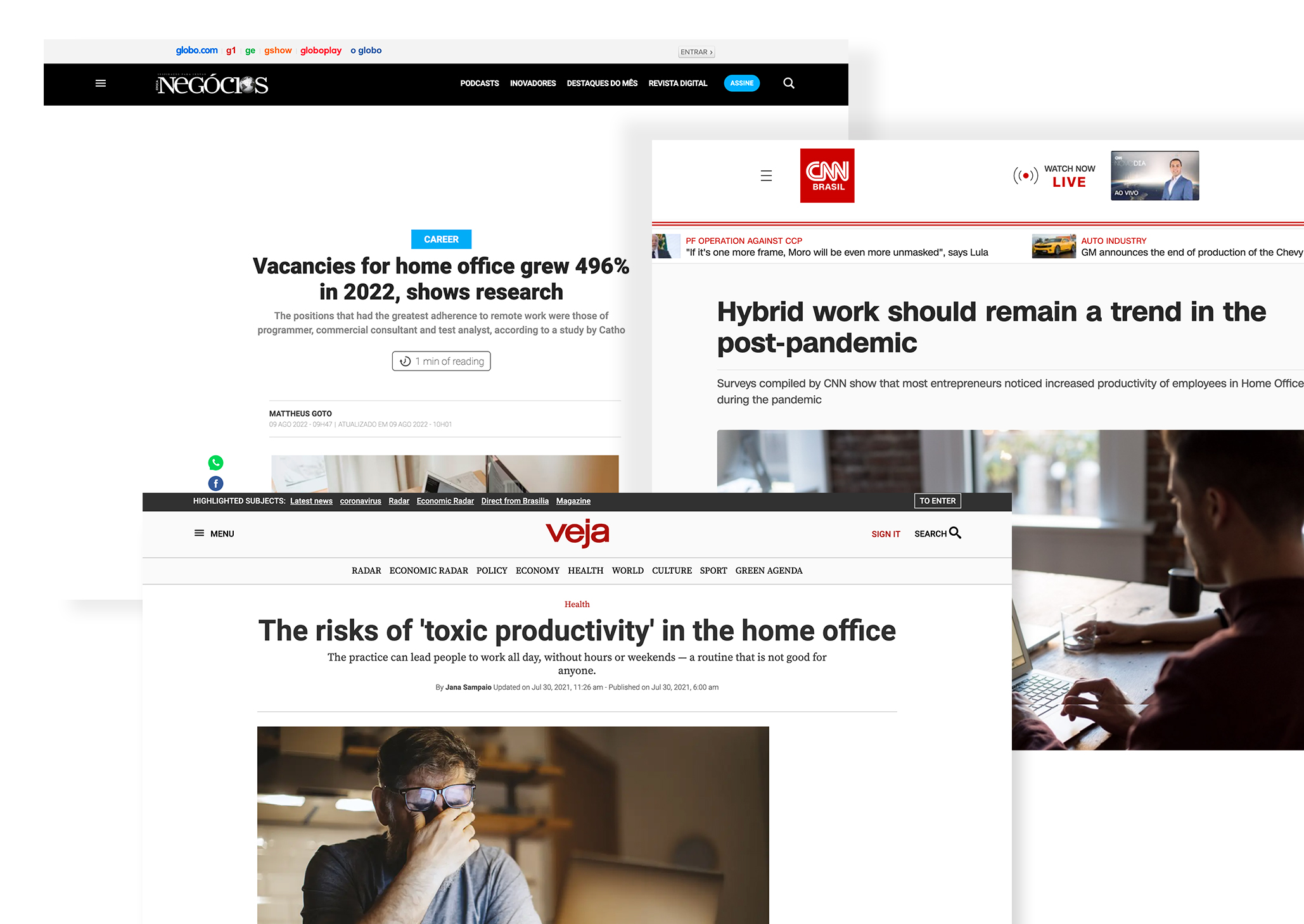
With our research, we discovered that remote work had taken off. A CNN survey showed that out of 56 companies surveyed, 80% indicated that hybrid work was either already adopted or planned for post-pandemic. The same survey revealed that 66.1% of managers reported increased employee productivity since the start of remote work. Job postings for this type of work also increased by 496% in 2022 (Font: Época Negócios). Job seekers also followed suit, with a 419% increase in searches for keywords such as “home office” on the job portal, vagas.com, in 2022. Furthermore, topics such as ergonomics, productivity, setups, labor laws, and mental health also surfaced in our research.
CSD Matrix
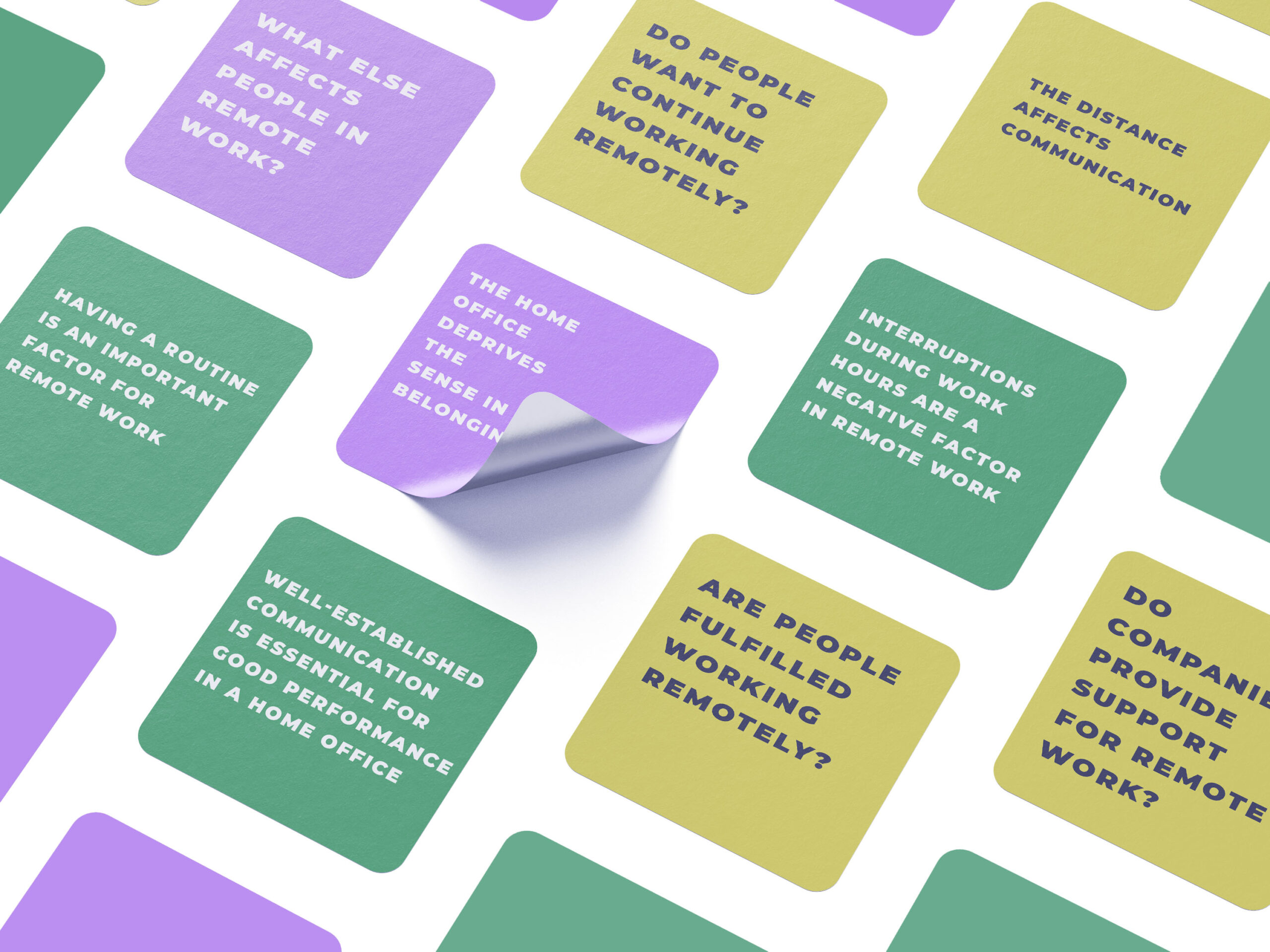
In order to understand and contextualize more about the subject, desk research (exploratory research) was elaborated, using several reliable sources to gather as much information as possible. After the information is collected, we group it all by category to facilitate interpretation and also the next step.
After our desk research was completed, we proceeded with data stacking, categorization, and initial validation of the collected data. Initially, we used the CSD Matrix to identify our certainties, assumptions, and doubts. All the data collected in this stage was used in the subsequent research phase.
To proceed with the project, we needed to understand how our users behaved, which involved understanding the attitudinal aspects of our audience. Therefore, we conducted both qualitative research (user interviews) and quantitative research (survey) with actual users during the research phase. We defined segmentation variables for our survey and sent out a screener to select our audience.
Quantitative Research (survey)
The questionnaire was developed based on the certainties, assumptions, and doubts in the CSD Matrix. From the matrix, we discussed which hypotheses were considered important to be verified, which generated even more questions for the quantitative questionnaire.
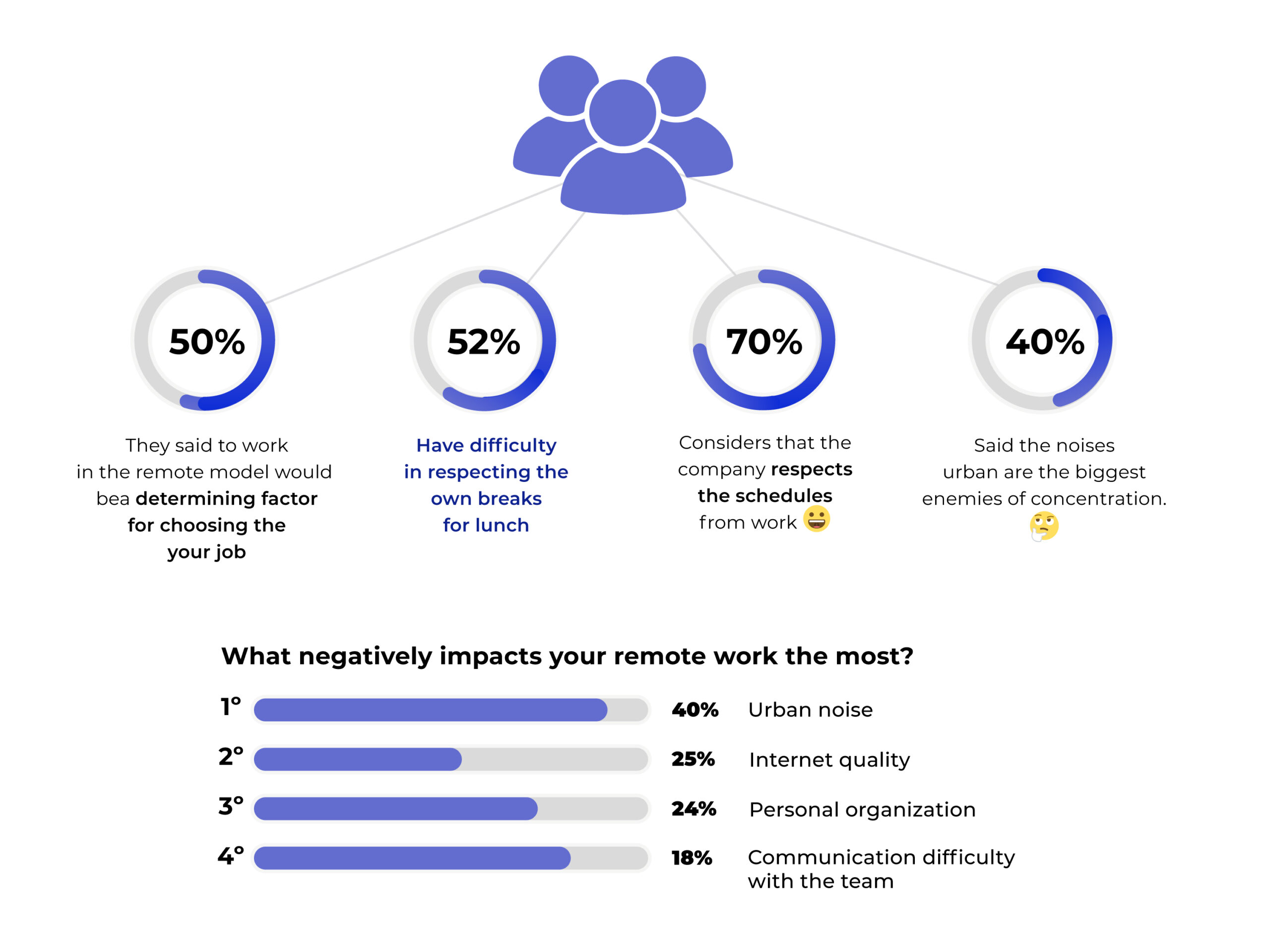
The data obtained can be seen in the following graphs:
Qualitative research (user interviews)
After completing the quantitative phase, we conducted semi-structured interviews with potential users, allowing for a more in-depth analysis of the data obtained previously. Our approach combined quantitative and qualitative research methods to gain a comprehensive understanding of user behavior. The results collected from both phases were used to guide the next stages of the project.
Affinity mapping and Debriefing
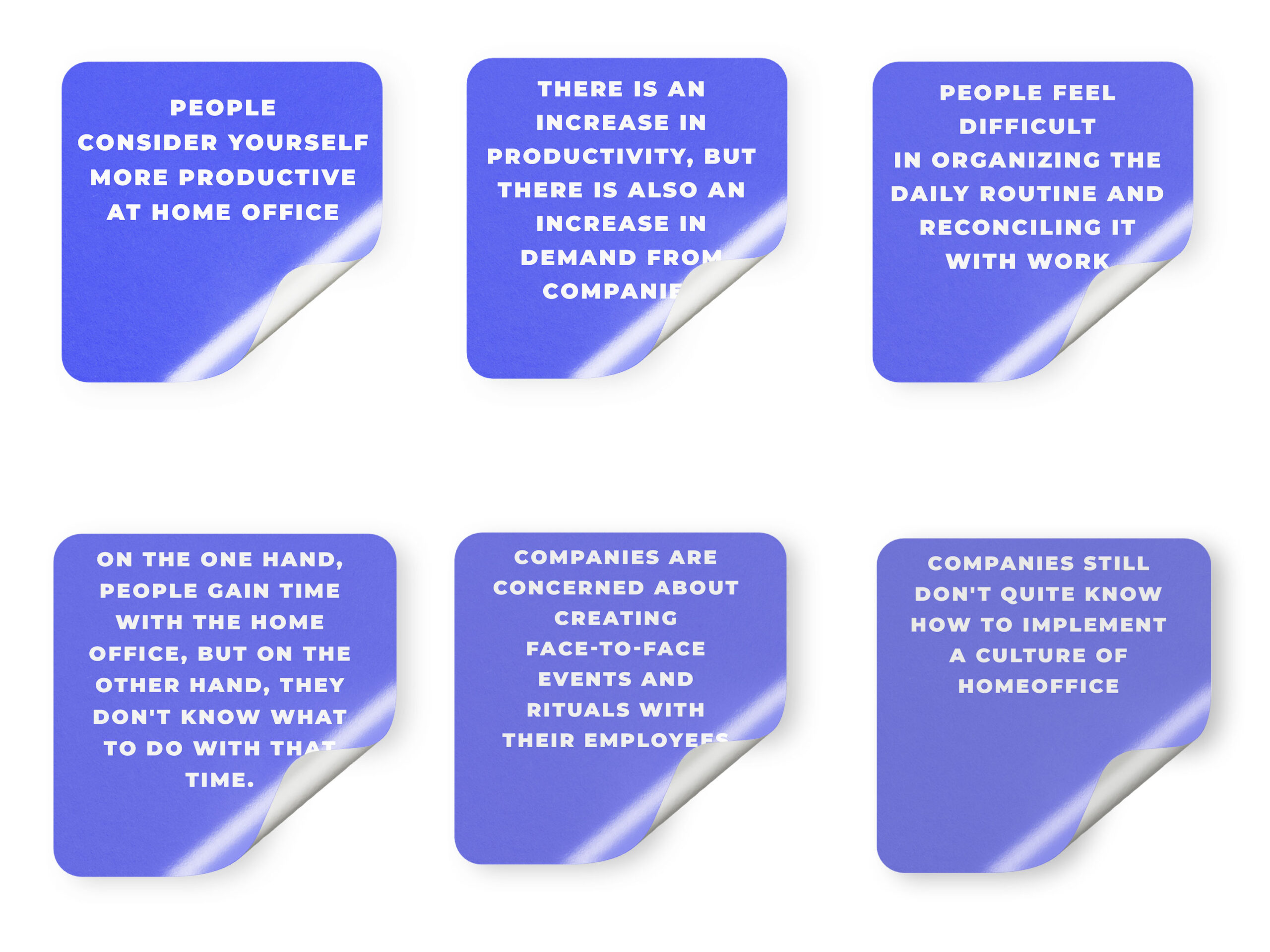
We conducted an affinity mapping exercise with the key data obtained from the interviews. This allowed us to compare the data from different interviewees to evaluate findings and identify common behavioral patterns among them.
The debriefing process involved analyzing, grouping, and categorizing collected data. Based on this information, we were able to cross-reference data and better understand the needs and desires of our target audience. This led to the creation of our persona.
Persona
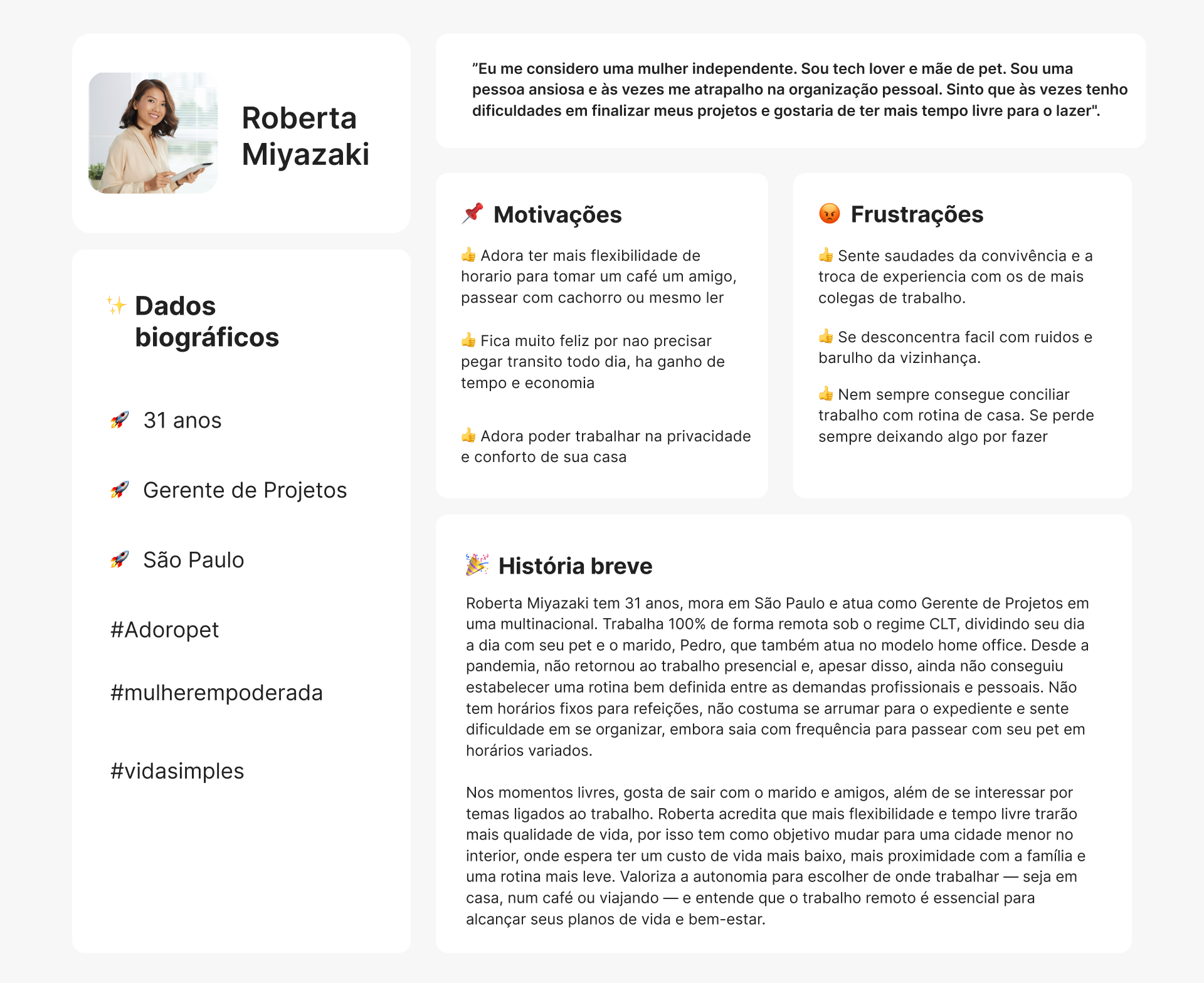
After conducting quantitative and qualitative research to identify key users of a particular product or service, the collected information was used to create our main persona.
User Journey
From the creation of our persona, we could map out their entire journey to understand how they went through the entire process within a specific scenario, and where problems and main difficulties appeared.
This was the convergence phase, which marks the end of the first and the beginning of the second diamond.
Ideation
How might we
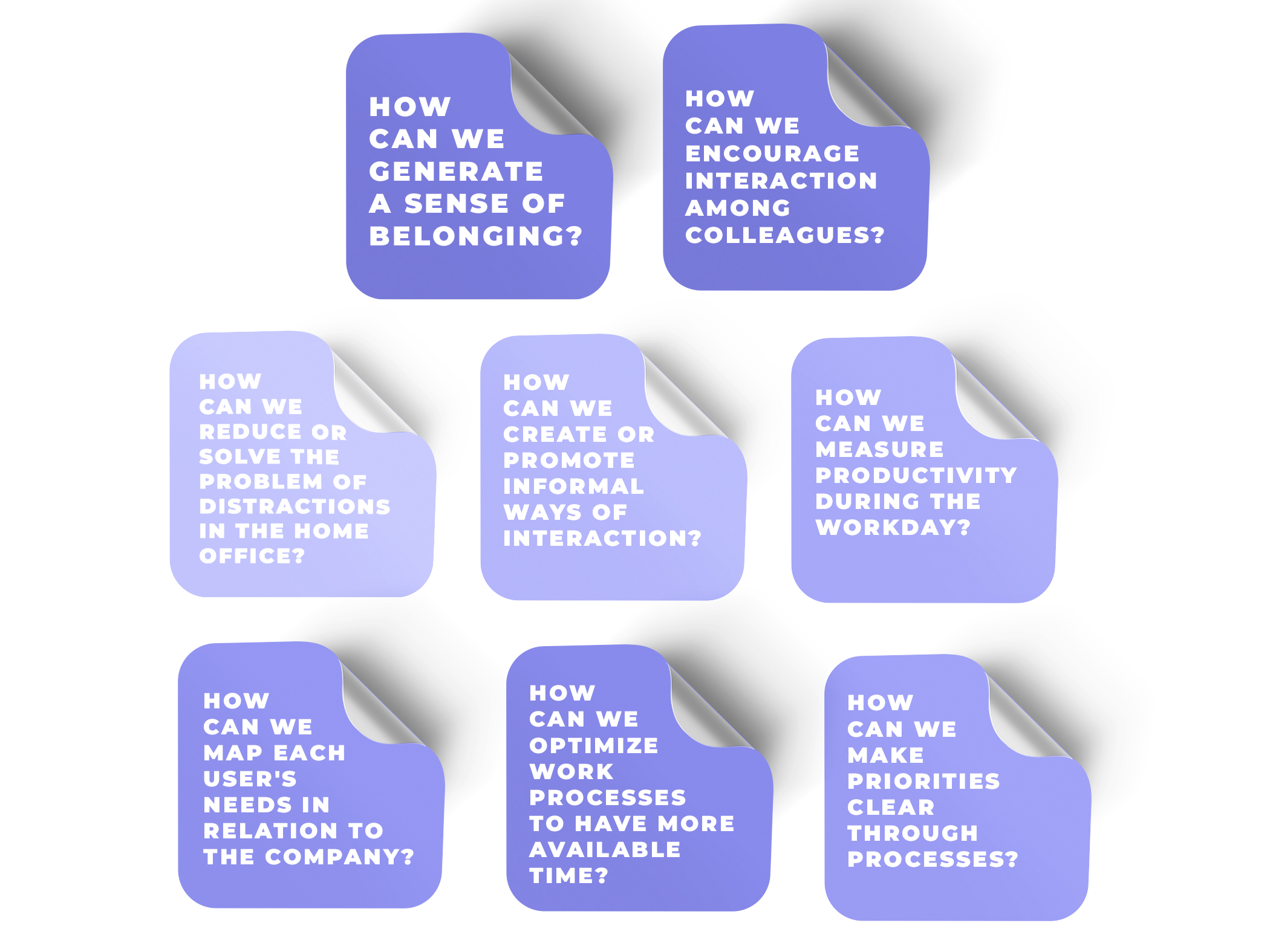
We used the insights from our persona’s journey to create a list of questions using the “How Might We” technique. Then, we did a dot voting among ourselves and chose two insights to prioritize.
Ideation
Action plan
Based on the prioritized questions and insights, we developed a creative process and an idea matrix. Finally, we created our action plan which listed several possibilities for improving our project.
Solutions
Based on the problems and insights shown above, we have come up with the following solutions to compose the product:
1.
Create a solution like a community interaction feed, where employees can interact with each other and with the company, reducing the impact of distance;
2.
Promote moments of interaction based on common interests. Seek engagement through challenges that generate scores (gamification);
3.
Map the characteristics of each employee, thus creating profiles that the company will use to generate intelligent interactions.
Prototype
Sketches
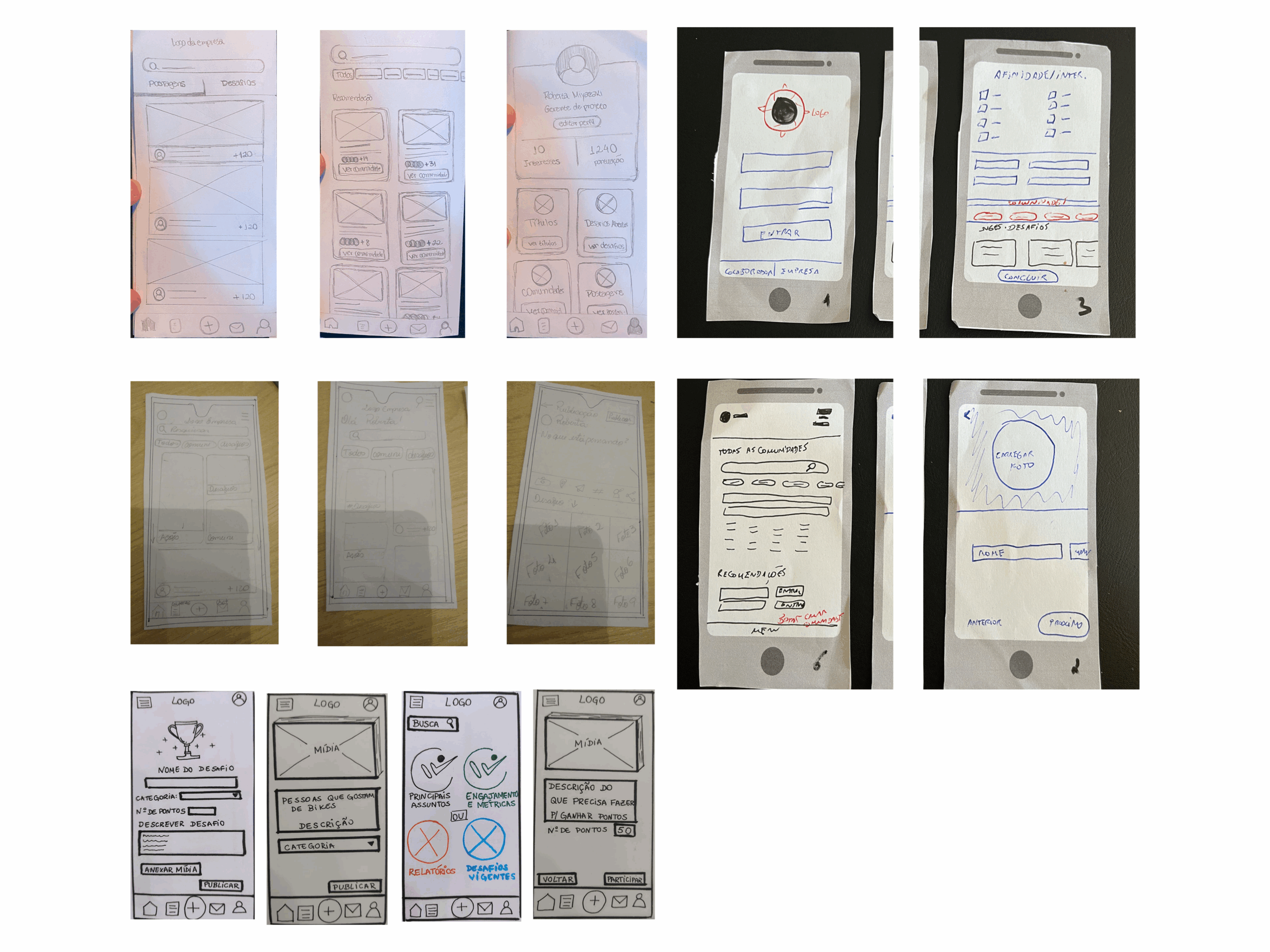
After we defined the solutions to our problems and what the actual app would be, sketches were created for the product. With all the drawings ready, the best ideas were discussed, and thus the most suitable solution for each screen was defined
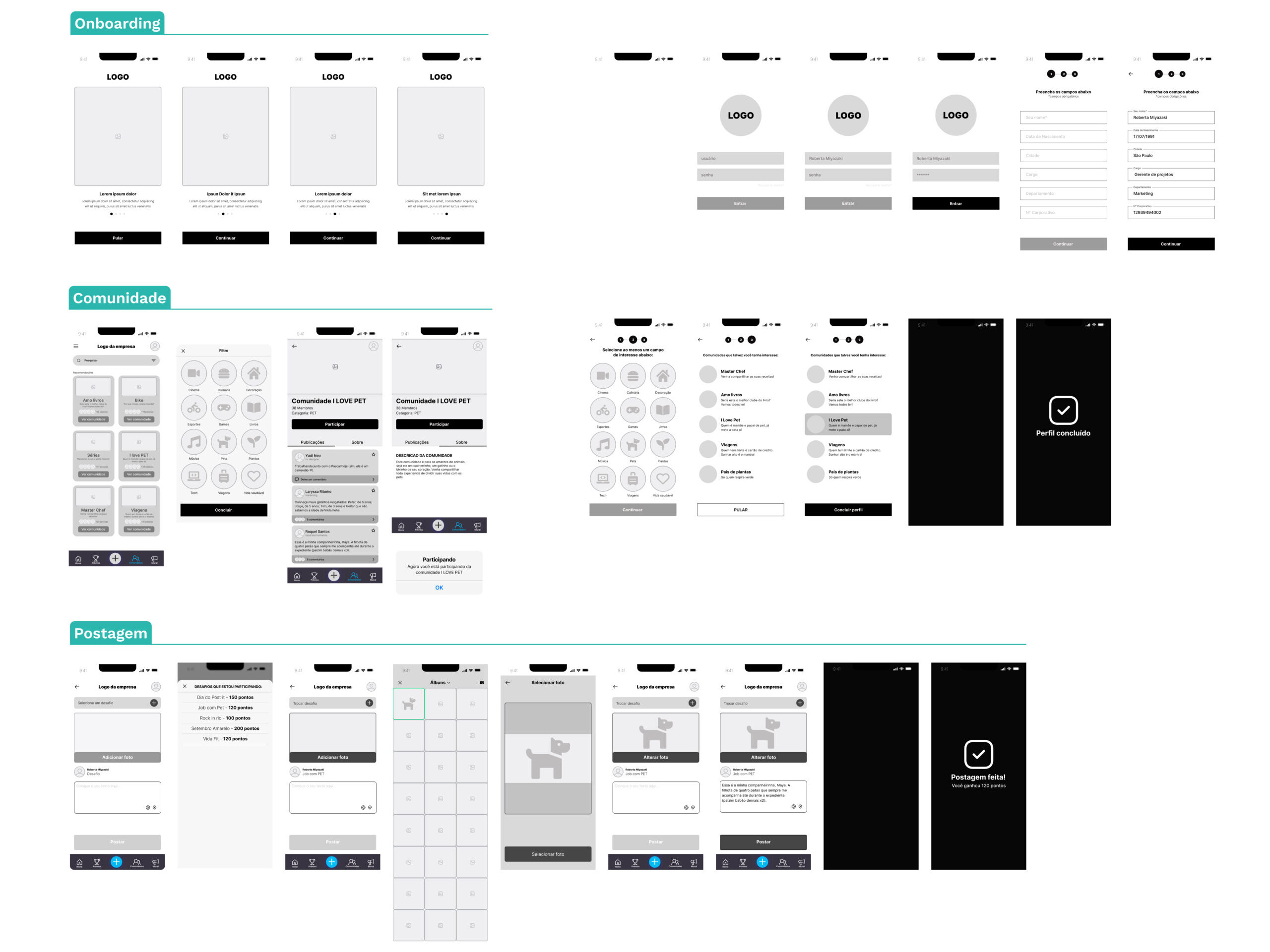
Wireframes
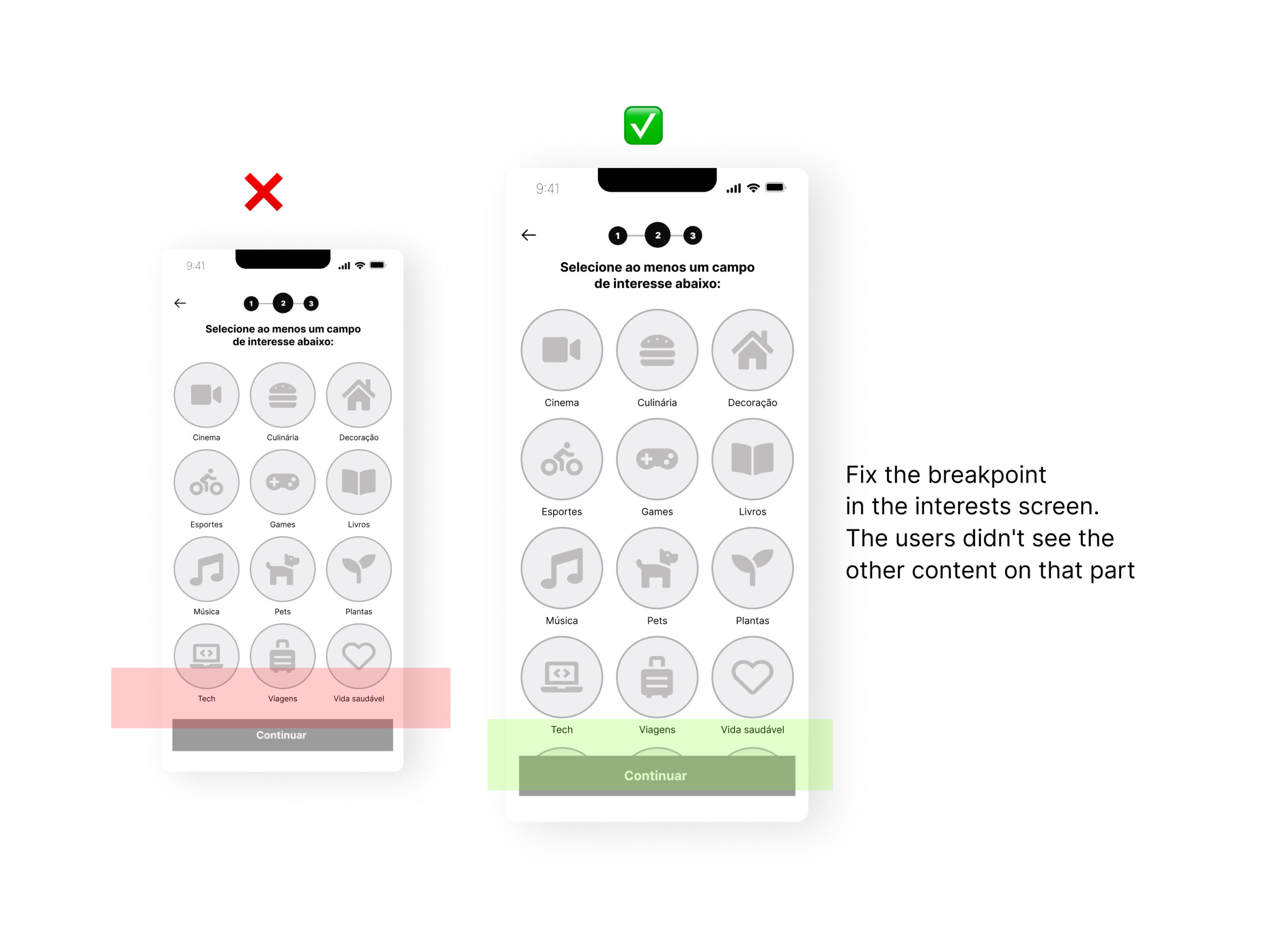
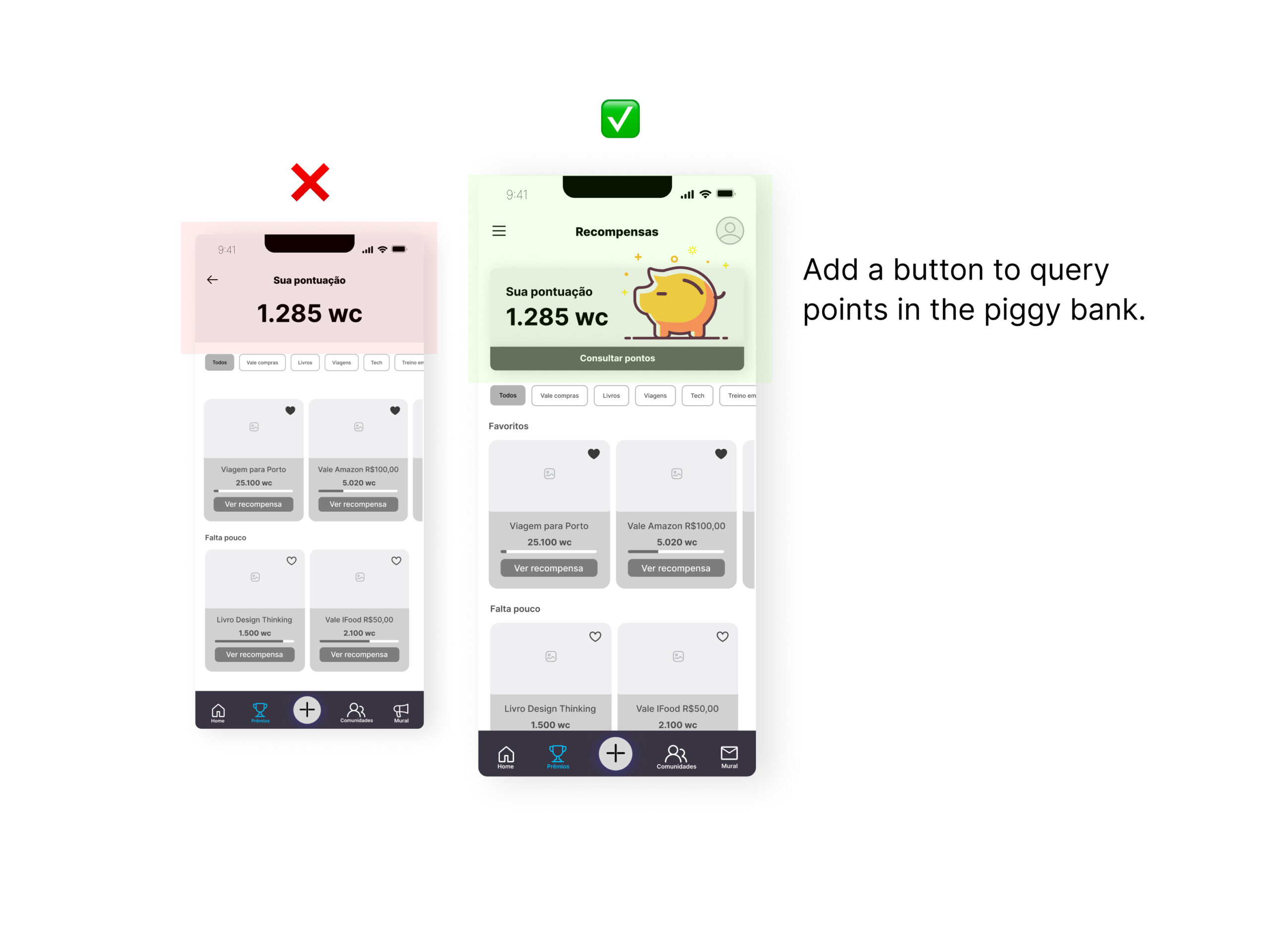
Based on the sketches created, it was time to build the app’s skeleton. Screens were developed with a medium level of fidelity, and then usability tests were conducted to validate the chosen solutions, assess and gather new ideas and improvements.
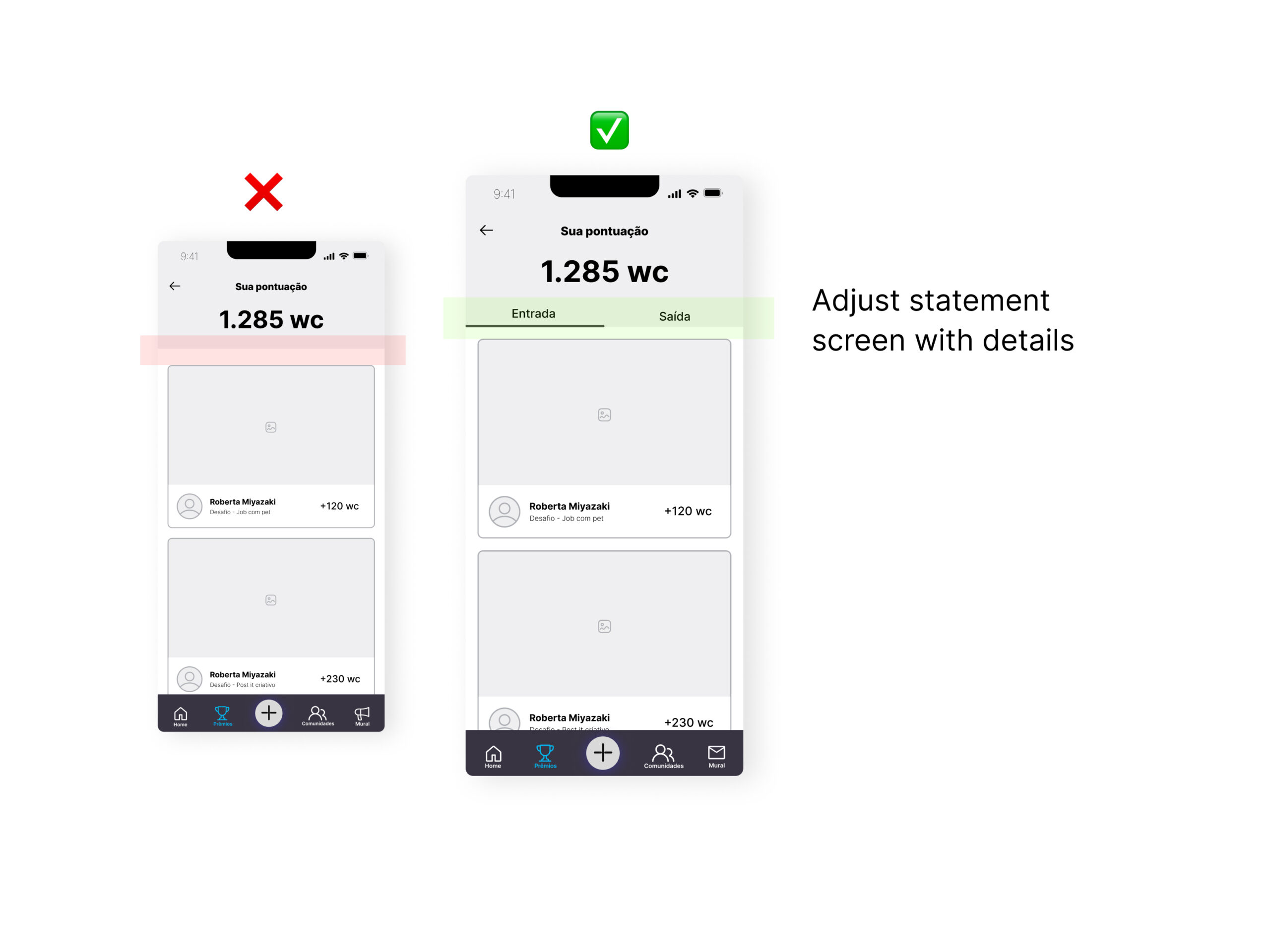
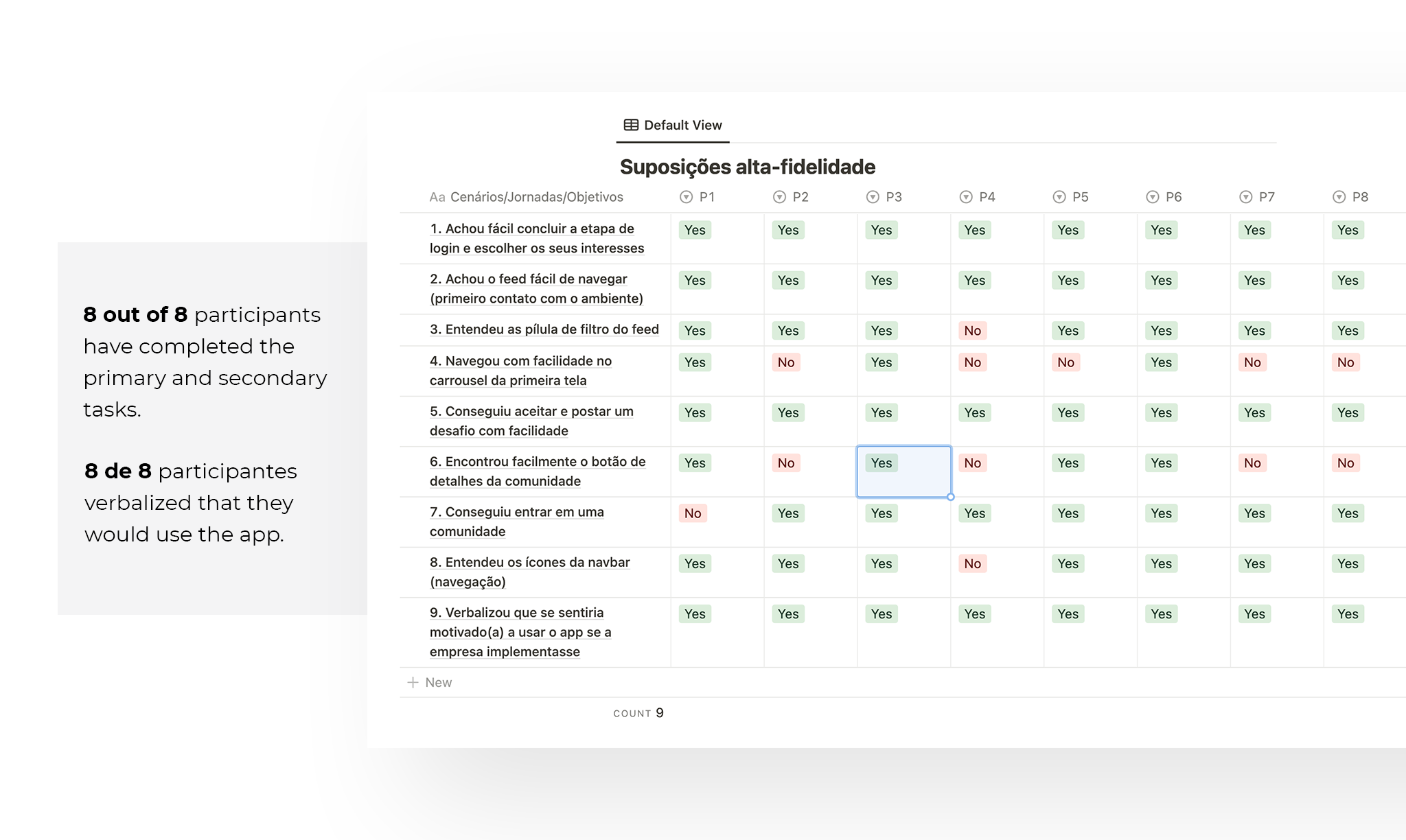
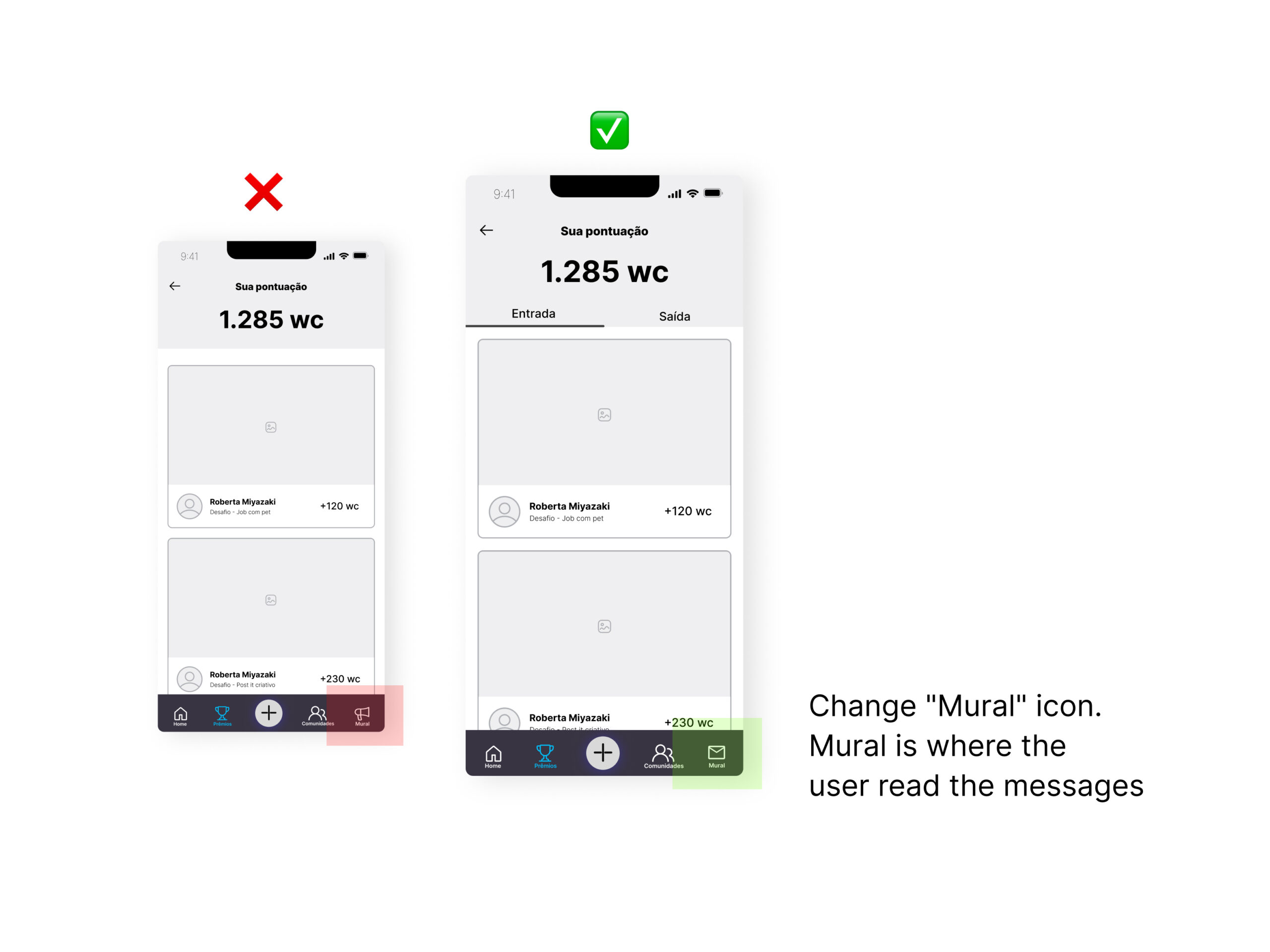
Usability tests and Iterations
Before starting to create the high-fidelity prototype, it was necessary to validate the product with users. We then conducted some usability tests with 8 participants using wireframes in medium-fidelity.
After completing all the tests, we made the necessary adjustments based on the identified improvements. To prioritize these adjustments, we used a 2×2 matrix that took into account the criticality of the business and its importance to the user.
- Usability test planning
- Recruitment of users
- Conducting the tests
- Collecting insights
- Analysis of collected data and insights
- Prioritization (2×2 matrix)
- Prototype adjustments
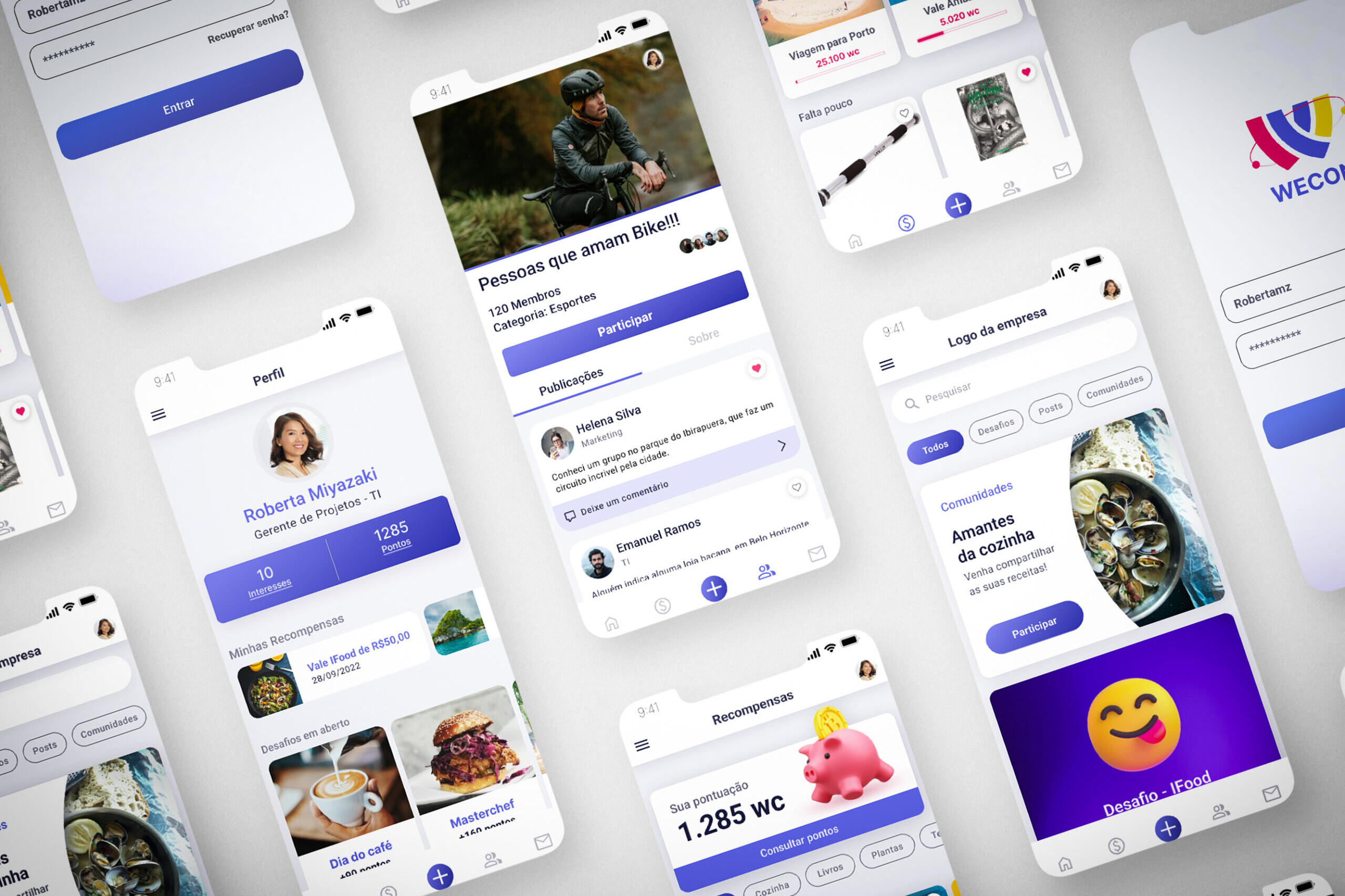
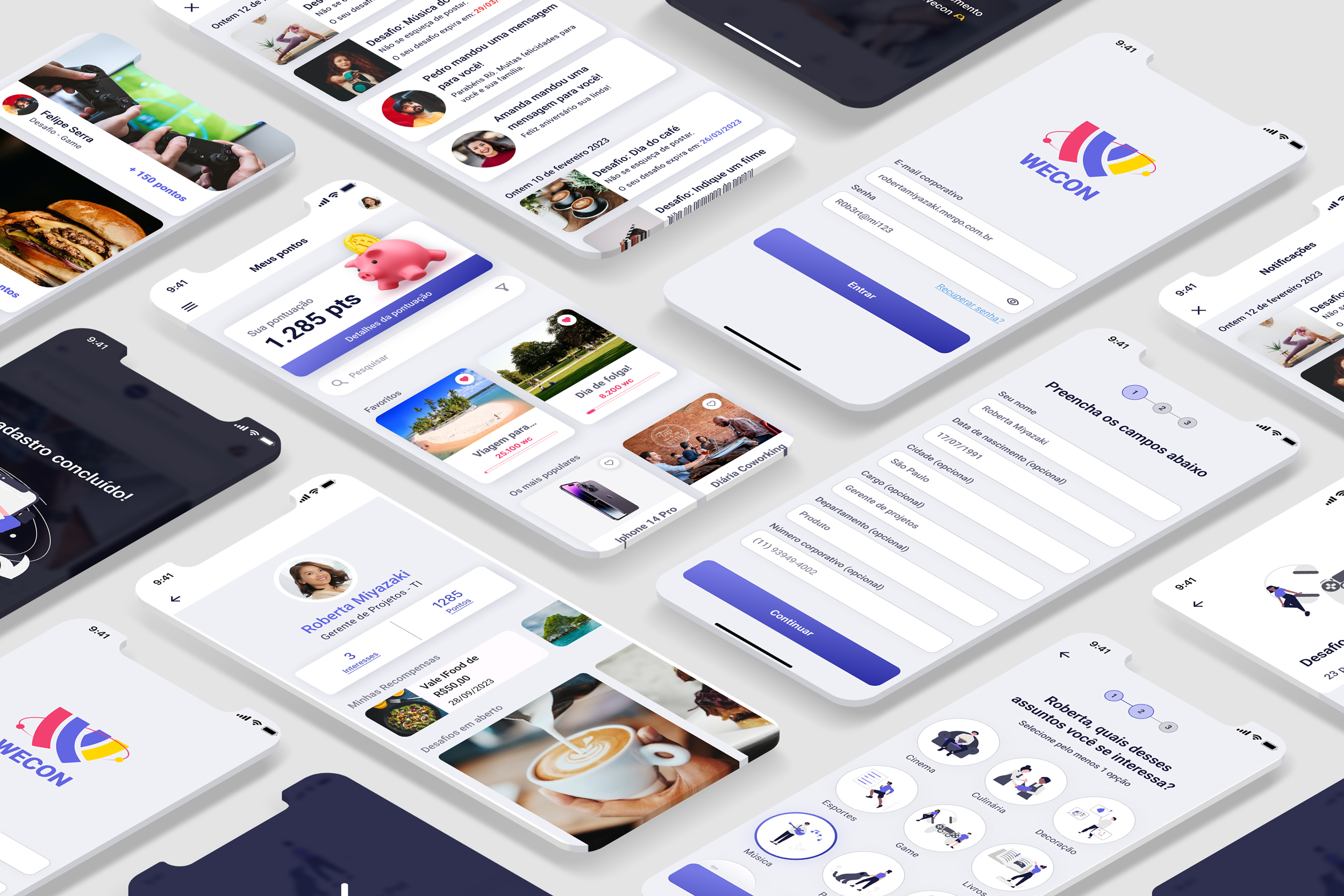
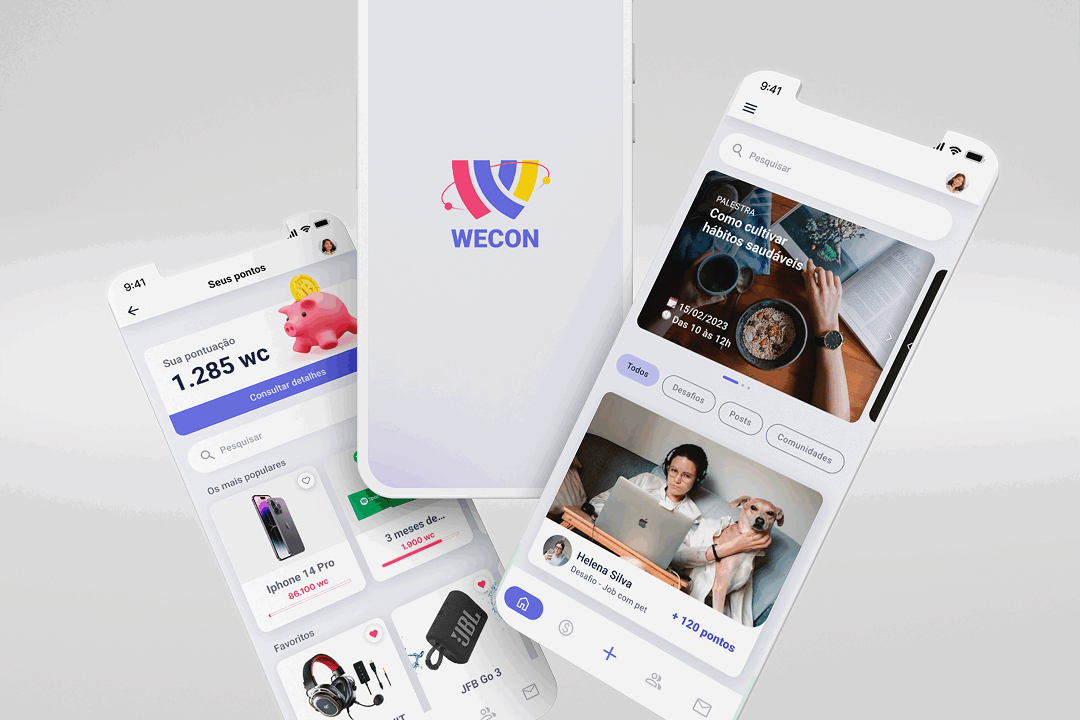
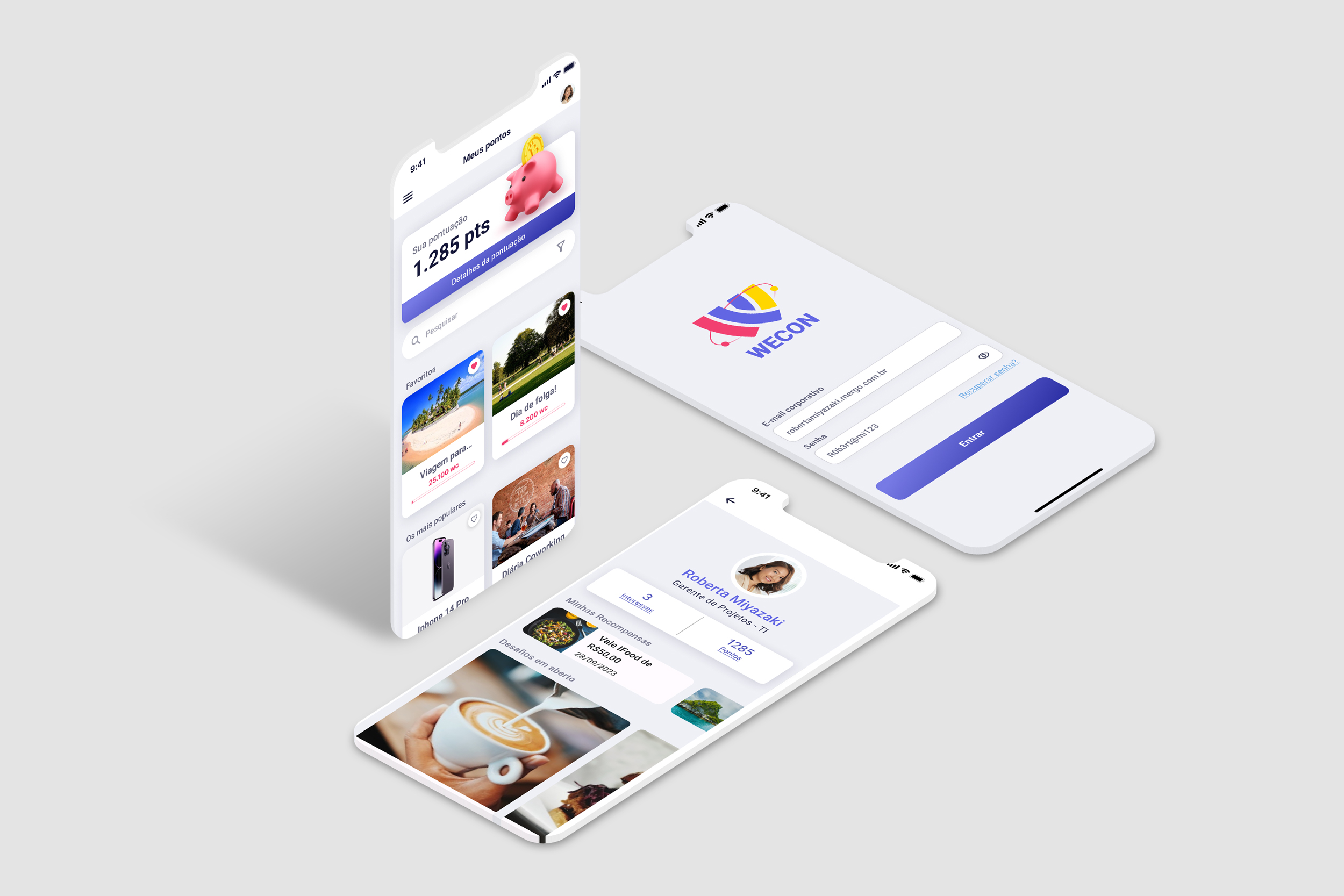
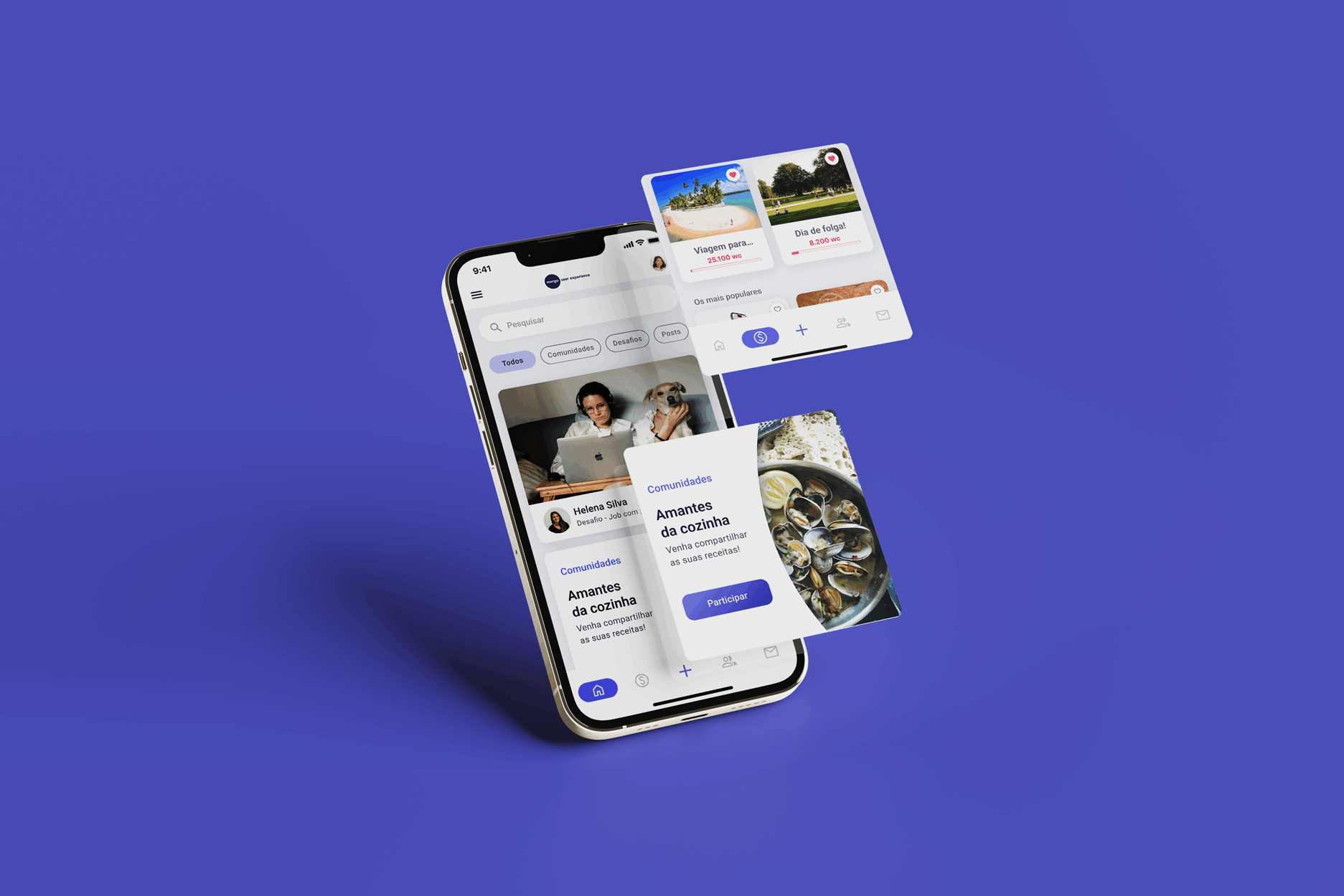
Introducing Wecon:
Wecon is much more than just an app – it’s a solution to improve the connection between people working remotely. Its intuitive and user-friendly platform allows employees to stay in touch with their peers in a relaxed way, by taking on challenges such as having a coffee together or sharing photos of their pets. Additionally, challenges offer prizes such as trips and shopping vouchers. Wecon is the perfect combination of the convenience of working remotely while maintaining productivity and connection with colleagues.